Sabarimala case hearing: The Supreme Court (SC) on Thursday underlined the importance of social unity while hearing the case related to curbs imposed at the Sabarimala temple in Kerala, cautioning that exclusionary practices in temples could leave an adverse impact on Hinduism as a whole.
On the third day of the proceedings, Justice BV Nagarathna emphasised that restricting access to temples based on denomination could result in fragmentation of the society. She, while clarifying that her remarks were not specific to the Sabarimala dispute, observed that limiting temple entry to a particular sect ‘is not good for Hinduism.’
[caption id="attachment_2548" align="alignnone" width="1200"]
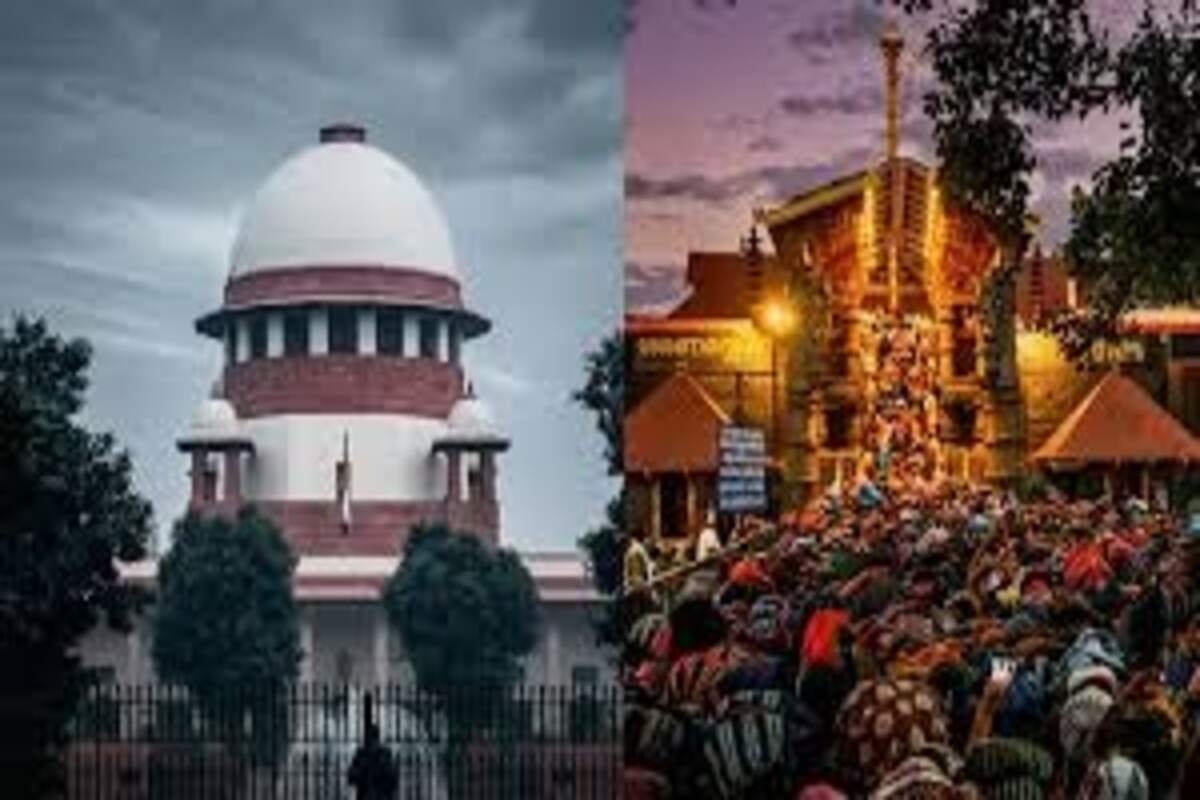
Sabarimala case hearing[/caption]
Her remarks came during arguments by senior advocate CS Vaidyanathan, representing the Nair Service Society and other Kerala-based religious bodies challenging the 2018 verdict that approved women of menstruating age to enter the Sabarimala temple.Debate ensues over Constitutional provisions
Advocate Vaidyanathan contended that Article 26(b), which grants religious denominations the right to manage their own affairs, should eclipse Article 25(2)(b), which allows the State to introduce reforms and ensure access to public Hindu religious institutions for all sections. Furthermore, he argued that the State, including the Judiciary, should not determine whether a religious practice is essential.
However, Justice Nagarathna shed light on the broader implications of such arguments, warning that excluding communities from temples could impact Hinduism negatively. Justice Aravind Kumar, also part of the nine-judge bench, echoed the concern, remarking that such practices could leave the society divided.
Sabarimala case hearing: Public vs private temples
[caption id="attachment_2549" align="alignnone" width="1200"]
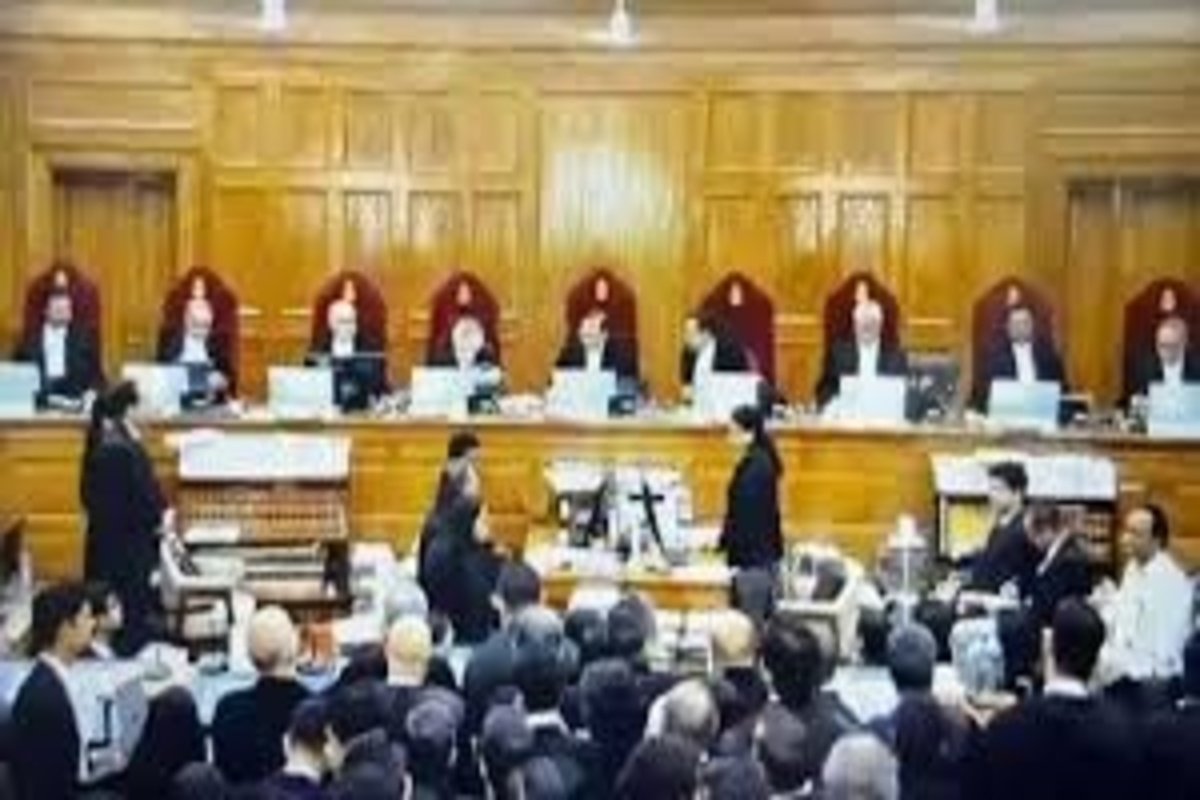
SC bench hearing the Sabarimala case[/caption]
Justice Nagarathna, responding to Vaidyanathan’s reference to private temples and family shrines in Kerala, clarified that her observations did not extend to such institutions. Meanwhile, the bench also examined whether denominational temples, even if privately funded, could justify restricting entry. Justice Nagarathna suggested such limitations might prove ‘counter-productive.’
CJI intervenes
Chief Justice of India (CJI) Surya Kant intervened during the hearing, indicating that the argument favouring denominational autonomy might conflict with the plain reading of Article 25(2)(b). He further said that even Article 26’s rights are subject to constitutional morality, including the prohibition of untouchability under Article 17. Reiterating to bring in inclusivity, Justice Nagarathna asserted that the State has the authority to ensure access to temples for all sections, adding, “We need to unify.”
Notably, the hearing in the case will resume on April 15, 2026.
Also read: SC brings ‘Mahabharata-like’ marital battle to an end after 10 yrs, orders husband to pay Rs 5 cr alimony