The Supreme Court on Monday refused to issue immediate directives for conducting the NEET UG 2026 re-test slated for June 21, 2026, in the online mode, leaving the matter to the discretion of the National Testing Agency (NTA) and the Union government.
The Apex court heard a petition filed by Rajya Sabha MP Sudhakar Singh, who sought urgent intervention to transition the pan-India medical entrance examination from the conventional pen-paper mode to a secure Computer-based Test (CBT) system.
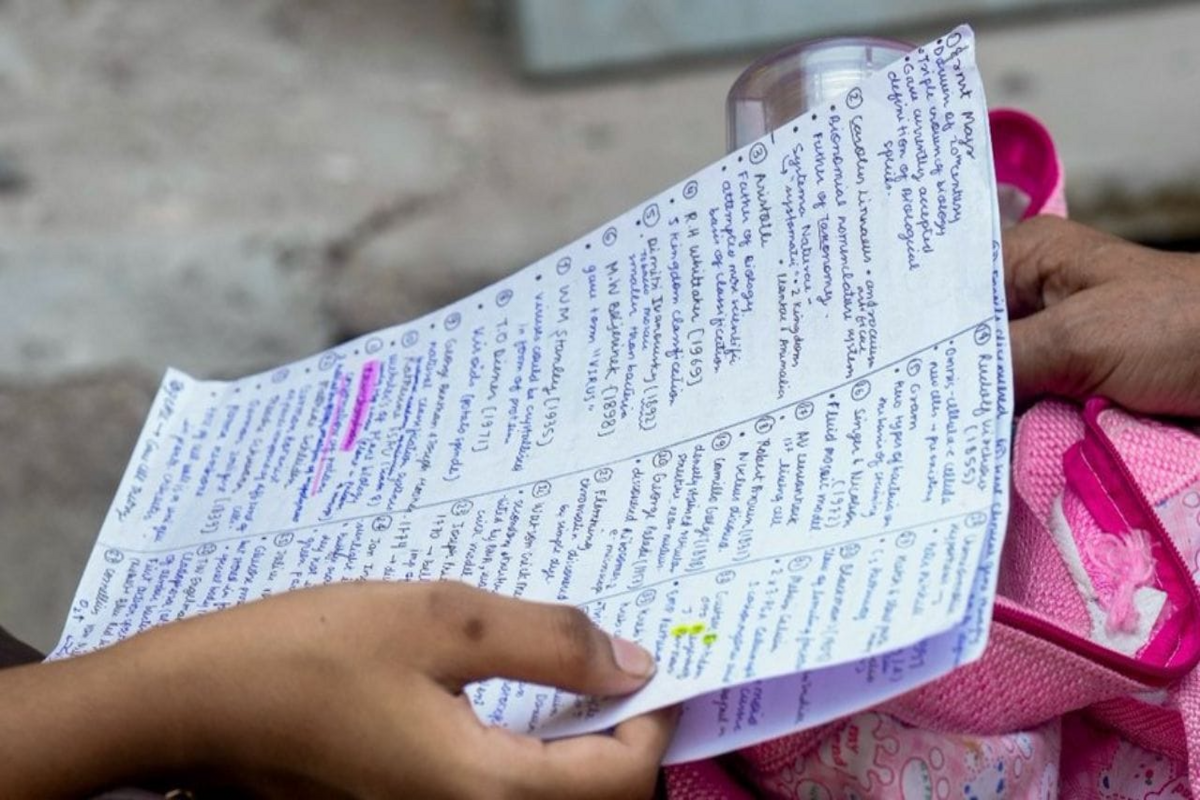 Representative image
Court defers hearing until July
During the hearing, the petition urged the bench to ensure that even the re-NEET examination scheduled for June 21 be conducted online. Moreover, his plea also sought strict implementation of recommendations made by the Radhakrishnan Committee, constituted in the wake of concerns surrounding examination security.
Appearing on petitioner’s behalf, advocate Satyam Singh Rajpoot contended that moving to a computer-based system would reduce the possibility of question paper leaks and other irregularities. However, the bench led by Justice BR Gavai and Justice KV Viswanathan observed that similar petitions had already been dismissed earlier. It refused to pass any interim directions and said the issue would be considered along with other pending petitions after the summer vacation.
 Representative image
Justice Narasimha further noted the logistical challenges currently being faced by authorities following the cancellation of the exam and the arrangements required for conducting a fresh test. The court noted, “There is no question of intervening at this stage. You know what kind of problems they are facing. The exam got cancelled and is now being re-held. Imagine the pressure they are under. We shall hear it with other petitions on July 27.”
Petition proposes digital transmission of question papers
The petition also proposed a slew of reforms aimed at strengthening the integrity of the high-stakes exam. Among the suggestions was a system under which question papers would be transmitted digitally through encrypted channels and printed locally just 30 to 60 minutes before the exam begins.
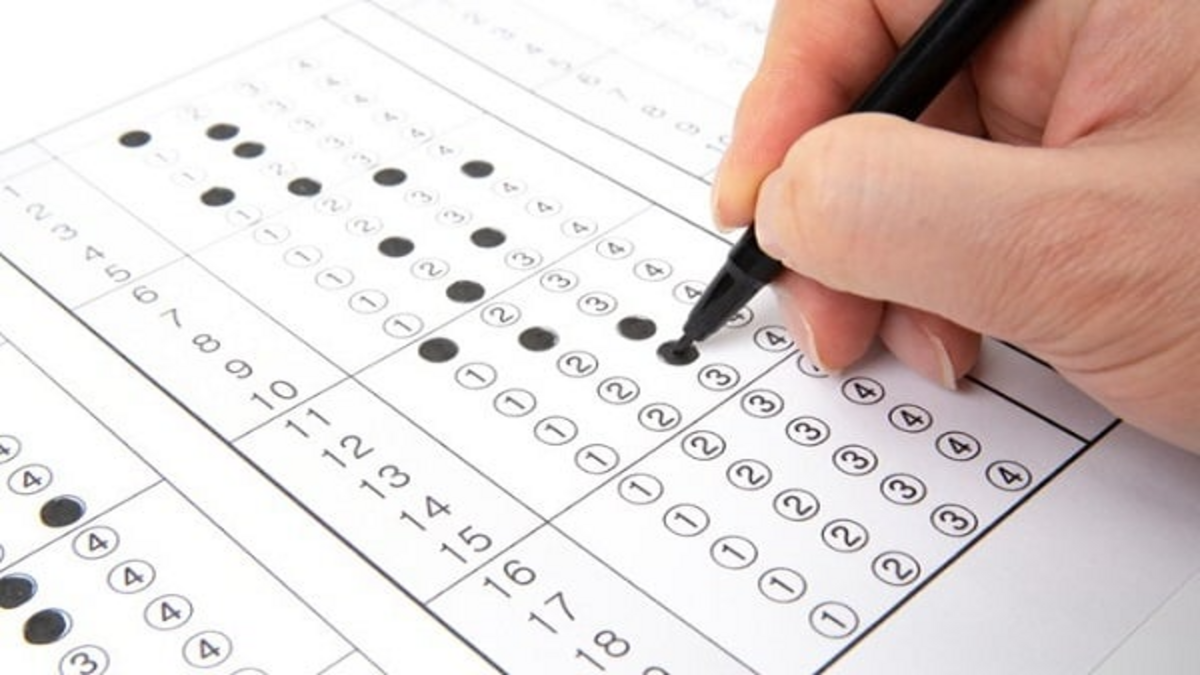 Representative image
The petitioner claimed that such a mechanism would eliminate the risks associated with physical transportation and storage of question papers, thereby slashing the possibilities for leaks.