Madhya Pradesh Chief Minister (CM) Dr Mohan Yadav on Sunday announced that the state government will distribute helmets to the farmers who travel from villages to cities on two-wheelers to sell their produce. He made the announcement in Shujalpur after listening to Prime Minister (PM) Narendra Modi’s programme, Mann Ki Baat, along with public representatives and farmers.
During his address, CM Dr Yadav reiterated the state government’s commitment to ramping up farmers’ income and ensuring their well-being. He said many farmers transport milk, fruits, vegetables and other agricultural produce to urban markets via bikes, often without helmets, which increases their exposure to accidents. To address this, the government has decided to provide helmets to such farmers.
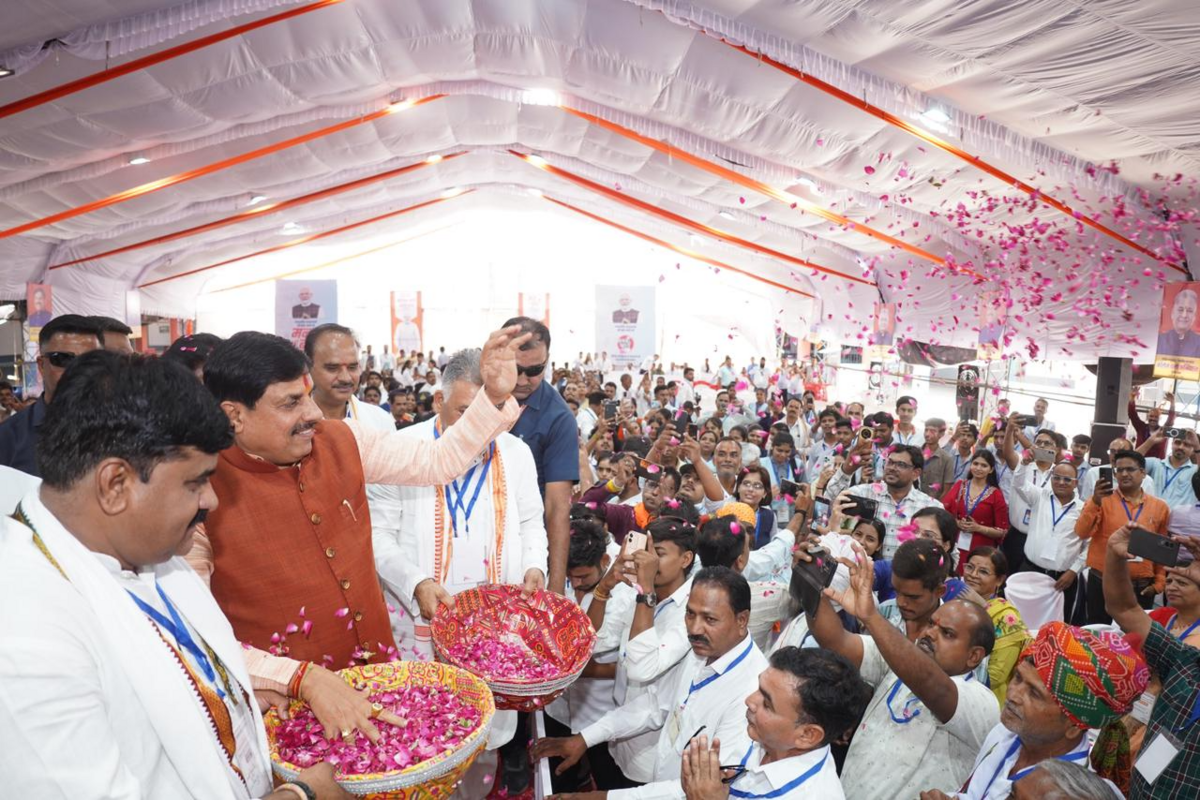 A still from the event
MP logs record wheat procurement
Shedding light on the achievements of the state government, the Chief Minister said Madhya Pradesh had set new benchmarks in wheat procurement. He claimed the state purchased more than 10 million metric tonnes of wheat at a rate of Rs 2,625 per quintal, creating a new record.
He added that the government procured wheat from nearly 1.4 million farmers, the highest in the country. He said these accomplishments reflected the government’s commitment to implementing decisions effectively and delivering on promises made to the farmers.
Urad growers to receive bonus
CM Dr Yadav then elaborated on various initiatives aimed at supporting pulse cultivation. He said the state government was fulfilling its commitment to soybean farmers through the Bhavantar Scheme and was encouraging the cultivation of urad.
He then announced that for the first time, urad growers would receive a special bonus of Rs 600 per quintal, similar to the benefit provided to the moong farmers.
CM focuses on dairy growth, farmer welfare
CM Dr Yadav thereafter emphasised diversification in agriculture, underlining that the government was promoting dairy development as an additional source of income for farmers. He noted that milk collection through the National Dairy Board network had reached 1.5 million litres and expressed hope that MP would rev up its contribution to the country’s milk production.
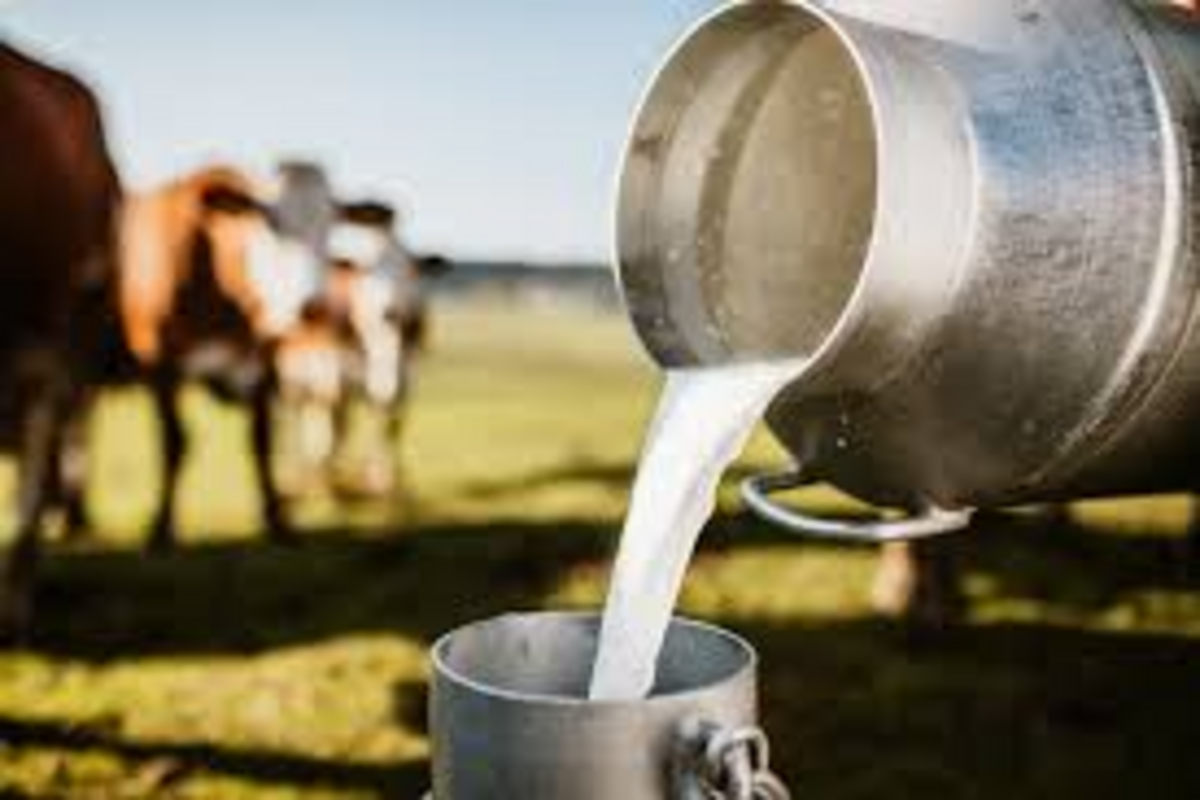 Representative image
Towards the end of his address, he highlighted initiatives related to cattle welfare, including the construction of cowsheds and financial assistance of Rs 40 per cow per day to caretakers. He ended by saying that the government was encouraging research on cow-based products, including cow urine, while persevering in efforts to boost milk production and strengthen farmers’ livelihoods across the state.