Amid the escalating controversy surrounding the alleged leak of the NEET UG 2026’s question paper, Tamil Nadu’s former Chief Minister (CM) MK Stalin on Friday reinforced the state’s long-standing demand for abolishing NEET. He urged Prime Minister (PM) Narendra Modi to cancel the exam for the academic year 2026-27 and allow states to admit medical aspirants on the basis of the scores they have secured in their Class 12 exams. Notably, his appeal came two days after Tamil Nadu’s current CM, C. Joseph Vijay called for scrapping the pan-India medical entrance exam.
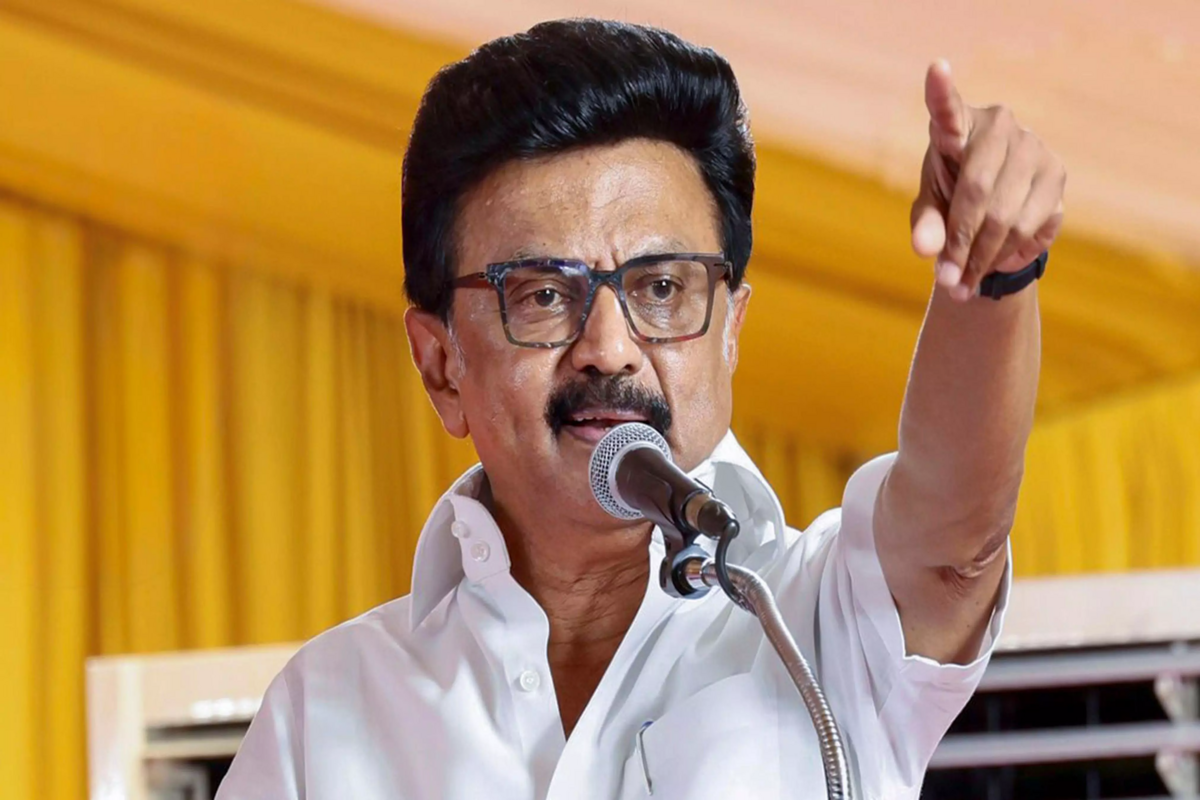 MK Stalin
The Dravida Munnetra Kazhagam (DMK) president, in a strongly-worded appeal, said the latest controversy had again put the ‘systemic flaws’ in the national medical entrance examination system in focus, and had triggered anxiety among lakhs of medical aspirants across India.
He asserted, “The NEET exam for the 2026-27 academic year should be cancelled, and the State Governments should be allowed to fill medical course seats on the basis of school board exam marks.”
Stalin sheds light on irregularities reported earlier
Drawing parallels with controversies linked to exams earlier, Stalin referred to the 2015 All India Pre-Medical Test (AIPMT) scam, where question papers had been leaked by means of Bluetooth devices. He also pointed out that the Supreme Court had then cancelled the exam, ordering for a re-test.
TN’s former CM then claimed that multiple allegations of paper leaks and irregularities had been reported over the past decade during NEET exams, yet no nationwide re-examination was conducted in certain years. He opined the repeated controversies have undermined the credibility of the examination system and have heaped psychological pressure on students.
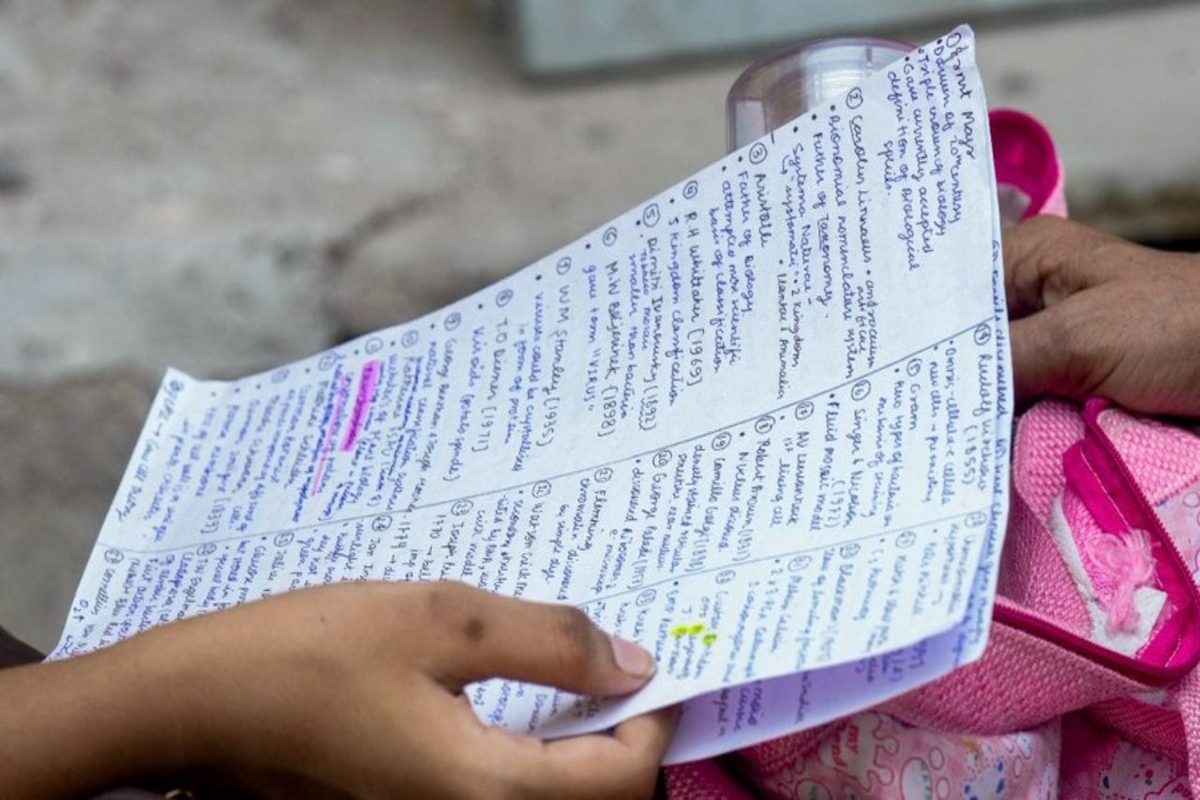 Representative image
“NEET favours affluent students”: Stalin
Stalin further contended that the NEET exam disproportionately affects students hailing from rural, marginalised and economically-weaker backgrounds. He said. “While being called a merit-based exam, it remains an examination for the wealthy, driven by coaching centres as a money-minting business.” He maintained that students from urban and financially privileged families benefit more, due to easy access to expensive coaching institutions, while government school students and rural aspirants are left in a lurch.