A rare and unusual situation has come to light in Madhya Pradesh. Giribala Singh, the Chairperson of the Consumer Disputes Redressal Commission and a retired district judge, continues to hold her position even after being arrested and sent to jail by the Central Bureau of Investigation (CBI) in a dowry harassment case.
The development has raised questions about administrative procedures, accountability, and the rules governing appointments to quasi-judicial bodies.
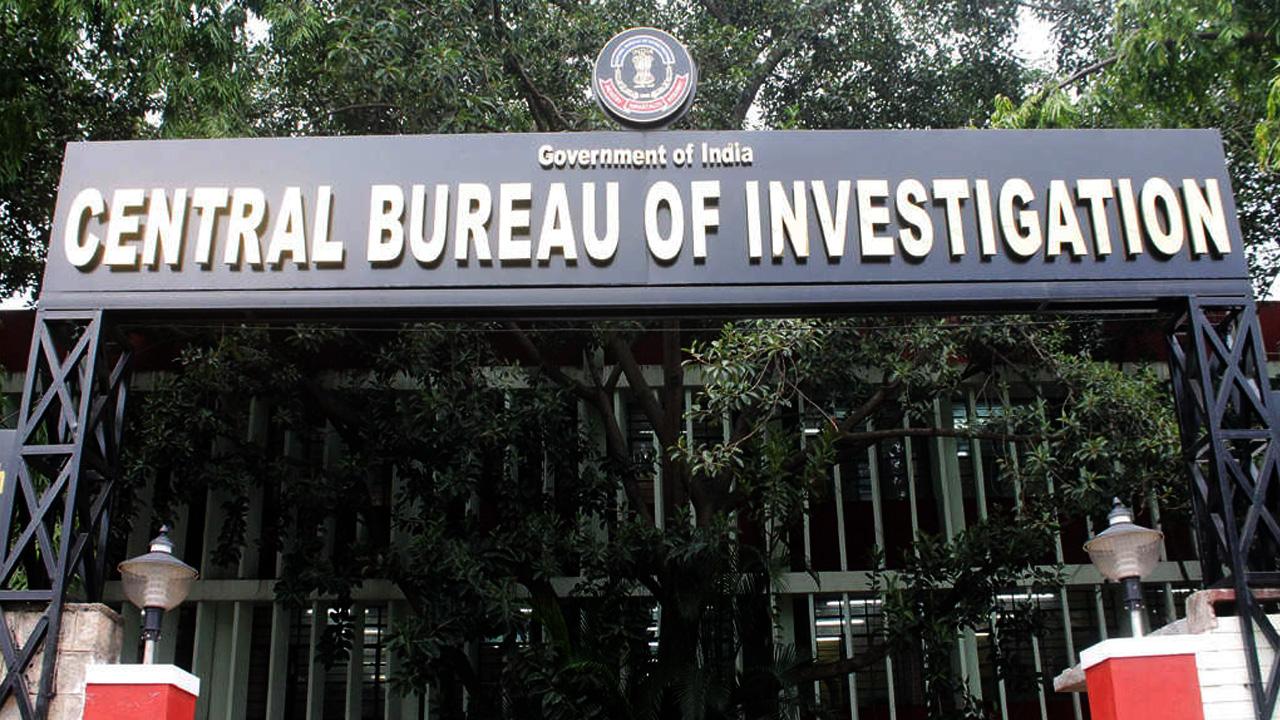 Central Government Bureau of India
Arrest Linked to Dowry Harassment Case
According to reports, the CBI arrested Giribala Singh in connection with a dowry harassment case related to the suspicious death of actress Trisha Sharma. The agency is investigating allegations connected to the case and took Singh into custody as part of its probe. After her arrest, Singh was sent to judicial custody. However, despite being in jail for more than two weeks, she reportedly continues to remain on the official rolls as Chairperson of the Consumer Commission.
Why the Case Is Drawing Attention
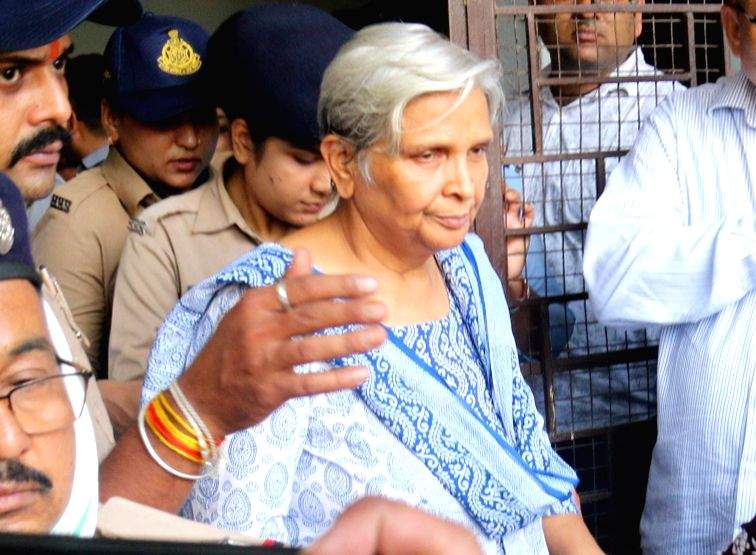 Accused Giribala Singh
The matter has attracted public attention because it is uncommon for a serving head of a consumer commission to remain in office while facing criminal proceedings and being lodged in jail.Legal experts say that the continuation of a person in such a position depends on the service rules, appointment conditions, and decisions taken by the competent authorities. In some cases, suspension or removal requires a formal process rather than an automatic action.
Because of this, the case has triggered discussions about whether existing rules are adequate to deal with such situations.
Impact on the Commission’s Functioning
The situation has also led to concerns about the functioning of the Consumer Commission. Consumers approach these commissions for quick resolution of disputes related to products and services. Any uncertainty regarding leadership can affect public confidence and administrative efficiency. Officials have not yet announced any major changes regarding the position. As a result, the commission continues to operate while questions remain over its top leadership.

Authorities Yet to Clarify Future Course
So far, there has been no clear public statement on whether Singh will continue in the role, be suspended, or face any further administrative action. The final decision is expected to depend on legal proceedings and the applicable rules governing the commission. As the investigation moves forward, the case is likely to remain under close watch. Beyond the criminal allegations, it has also opened a wider debate on transparency, accountability, and the standards expected from individuals holding important public positions.