Twisha Sharma case: MP HC cancels Giribala Singh’s anticipatory bail, pulls up trial court over ‘evidence consideration’
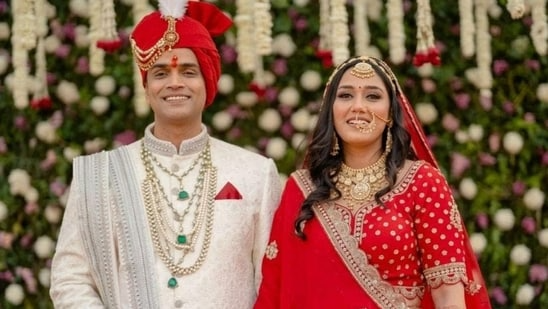
The Madhya Pradesh High Court (HC), in a significant development which unfolded on the intervening night of Wednesday-Thursday, cancelled the anticipatory bail granted to Giribala Singh, the mother-in-law of former model Twisha Sharma, who allegedly died by suicide at her matrimonial home in Bhopal on May 12. The HC observed that the trial court failed to adequately assess the gravity of the allegations and available evidence.
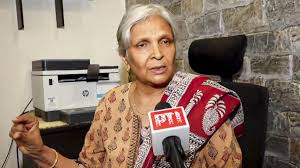
FIR registered 3 days after death
Notably, a First Information Report (FIR) pertaining to Twisha’s death was filed on May 15, three days after the incident. On the same day, the Bhopal district court granted interim anticipatory bail to Giribala Singh within hours of the FIR being registered. Meanwhile, her son and Twisha’s husband, Samarth Singh, is in CBI custody.
A single bench of Justice Devnarayan Mishra, while hearing petitions filed by the state government and Twisha’s father, cited ‘consistent allegations,’ ‘non-cooperation’ with police, heinous nature of the offence and the trial court’s oversight of crucial material as grounds for cancelling the bail order.
The order issued by MP HC read, “The anticipatory bail order passed by the 10th Additional Sessions Judge, Bhopal, is hereby quashed.”
Court takes note of injury marks on Twisha’s body
The HC further noted that Giribala allegedly failed to cooperate with the cops despite being served numerous notices for recording her statement.
Furthermore, the order also mentioned allegations surrounding Twisha’s terminated pregnancy. While the complainant’s side accused the Singh family of exerting pressure, the defence contended that Twisha herself wished to terminate the pregnancy.
However, the court noted that WhatsApp conversations did not solely implicate Samarth and that the trial court had overlooked several relevant aspects. The bench then examined financial transactions between Giribala Singh and Twisha, ruling that the transfer of money alone could not negate allegations of dowry harassment.
Crucially, the court highlighted findings from the autopsy report, stating, “Four injuries were found on the left arm, one on the ring finger and one on the head,” adding that these injuries were not caused while removing the body from the noose or transporting it to hospital.