“Why marry a girl and then humiliate her”?: SC upholds conviction in Chhattisgarh dowry death case
As the country is yet to come to terms with the death of former actor-model Twisha Sharma, who allegedly died by suicide owing to dowry harassment, the Supreme Court on Friday questioned the deeply rooted social mindset that continues to humiliate brides and their families after marriage.
While hearing an appeal in a dowry death case from Chhattisgarh, the Apex court remarked that such harassment needs to be stopped and refused to interfere with the conviction of a man accused of cruelty and harassment against his wife under Section 498(A) of the Indian Penal Code (IPC).
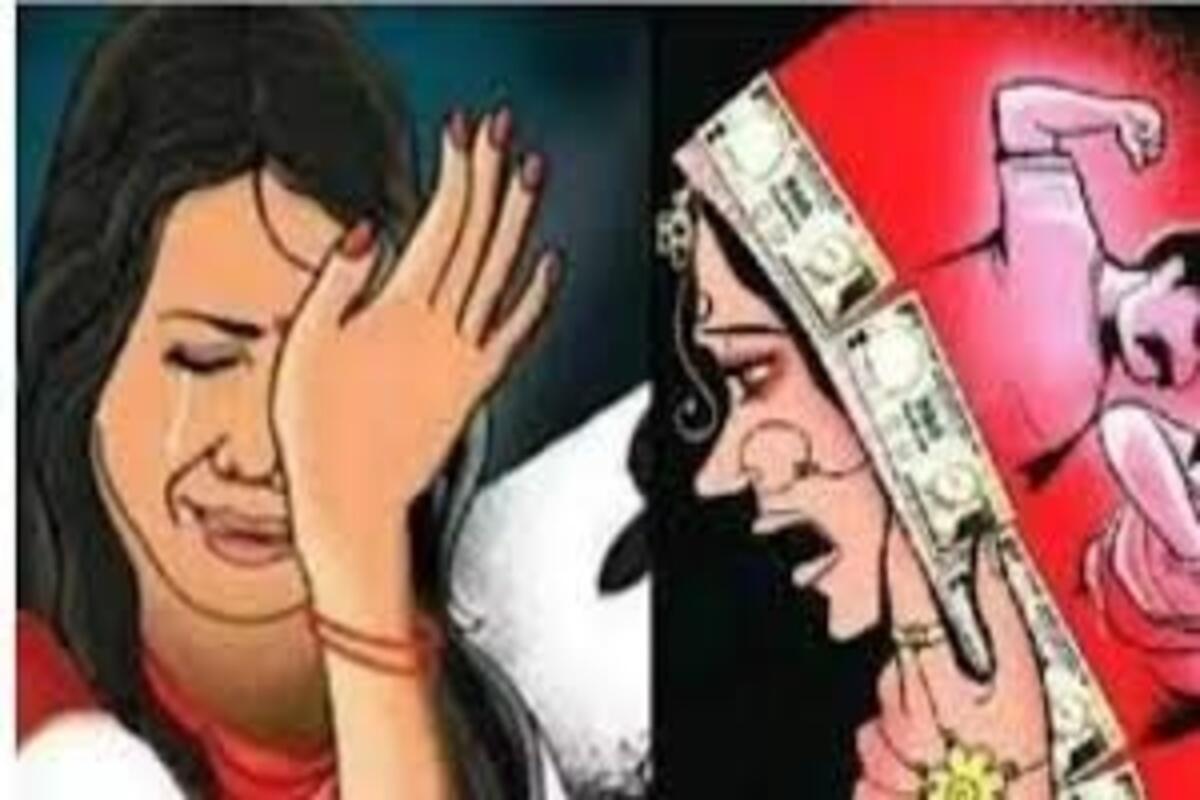
“Why do boys marry girls and then insult them?,” asks court
A bench of the top court, comprising Justices BV Nagarathna and Ujjal Bhuyan expressed concern over the repeated humiliation allegedly inflicted upon women and their families in the name of dowry and financial expectations. The court remarked during the hearing, “Why do boys marry girls and then insult them and their families? Let a message go out that they cannot continue insulting the bride and her family.”
The court was hearing a case dating back to 2010, when a woman was found hanging at her marital home within three years of marriage. According to the prosecution, she had been subjected to repeated harassment by her husband and in-laws over dowry demands, which allegedly included cash and a car.
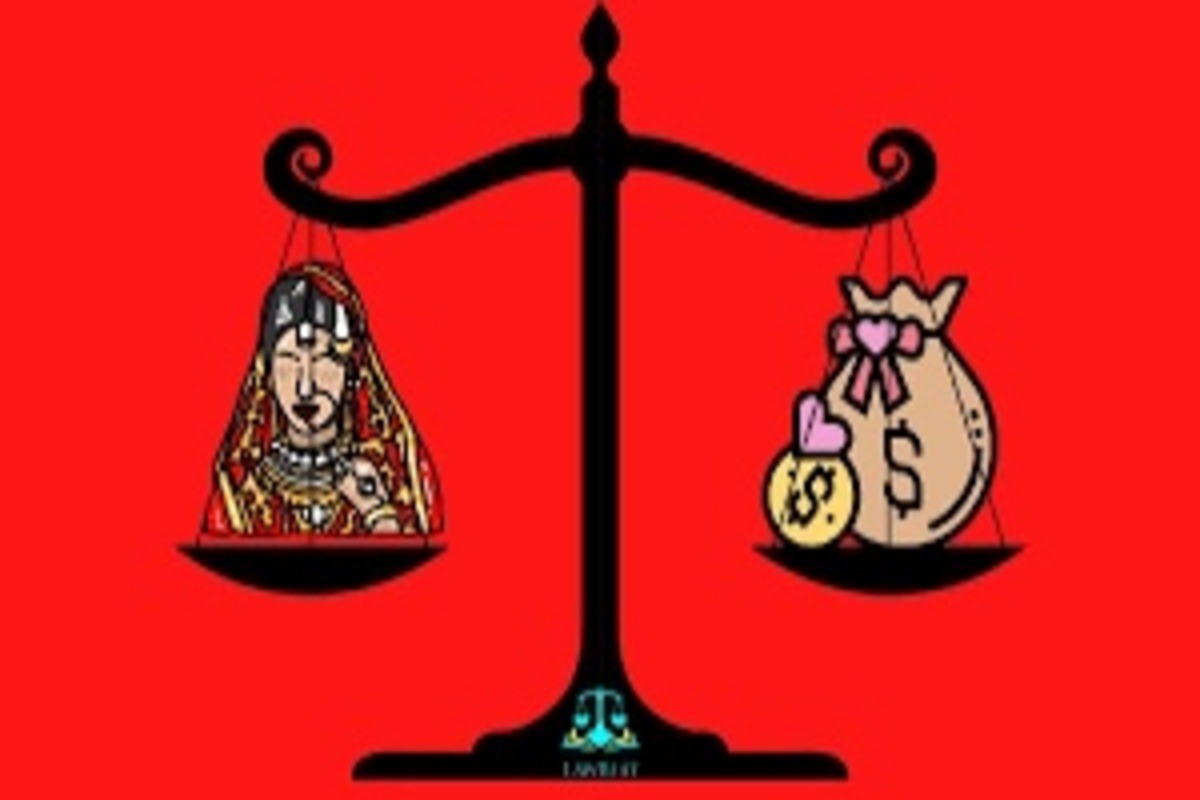
The trial court had concluded that the sustained atrocities bore a direct connection to her death.
HC, SC uphold convictions
Several members of the husband’s family were convicted under Section 304B( dowry death), 306(abetment of suicide) and 498A (cruelty and harassment) of the IPC. The Chhattisgarh High Court later upheld the convictions.
Thereafter, the petitioner, the younger brother of the husband, approached the Supreme Court, arguing that he had only been convicted under Section 498A and deserved relief. However, Justice Nagarathna firmly rejected the plea, saying, “You should be happy that it is only 498A and only three years.”
It also came down heavily on the petitioner for the financial coercion allegedly imposed on the victim’s family. Justice Nagarathna further remarked, “Attempt is to squeeze the bride and her family.”
The court took note of witness statements, which indicated that the bride’s family had allegedly been mocked for being unable to cater to the dowry demands despite pleading to protect their daughter.
“This is how brides are treated”: Court during conclusion

The petitioner’s counsel attempted to argue that there had been a delay in filing the FIR, but the court junked the claim. It observed, “Let the message go. This is how brides are treated.” Meanwhile, Justice Bhuyan also expressed concern over the normalisation of such behaviour among educated households, saying, “These are educated people.”