CBSE 3-language row: MP’s ex-CM Digvijaya Singh writes to PM Modi demanding policy be scrapped for Class 9
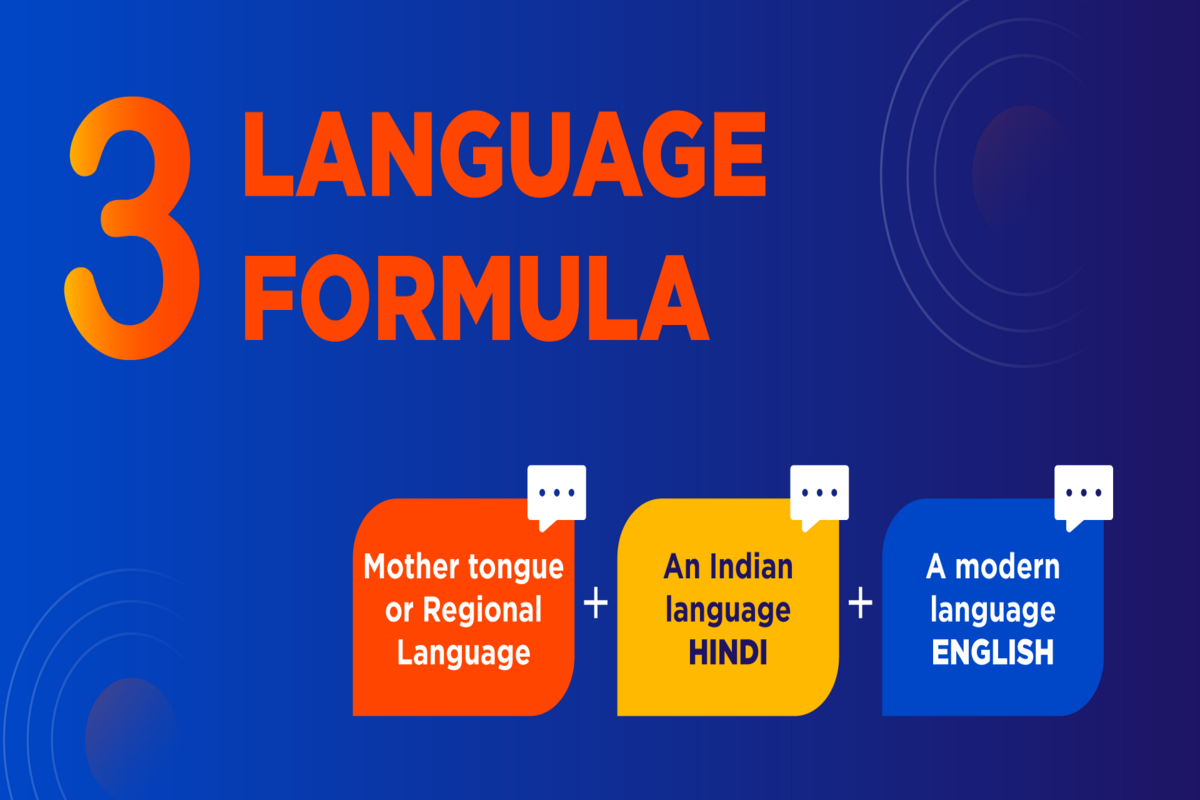
Senior Congress leader and ex-Chief Minister (CM) of Madhya Pradesh, Digvijaya Singh on Sunday has urged Prime Minister (PM) Narendra Modi to suspend the implementation of the Central Board of Secondary Education’s (CBSE) three-language policy for Class 9 students, claiming that schools across India are short of adequate preparations for the same.
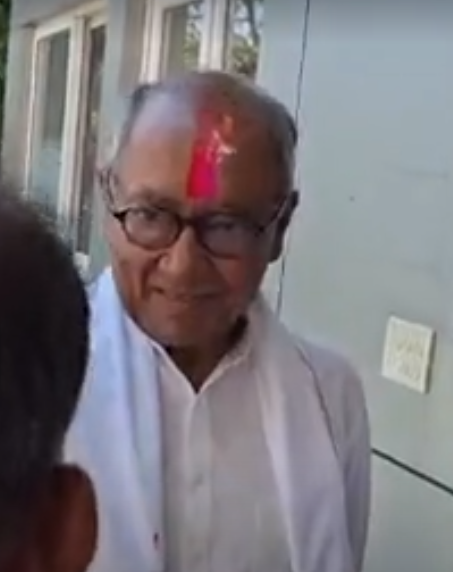
In a letter addressed to the PM, Singh expressed concerns over the decision to introduce the policy from July 1, 2026. He warned that a mid-academic year rollout could cause widespread disruption for students, teachers and educational institutions.
Singh draws parallels with CBSE’s OSM row
The Congress veteran cautioned that implementing a major curriculum change in the middle of the academic year could lead to operational hurdles and confusion in schools. Furthermore, he drew parallels with the challenges faced during the rollout of CBSE’s On-Screen Marking (OSM) system, which had drawn flak over implementation-related issues.
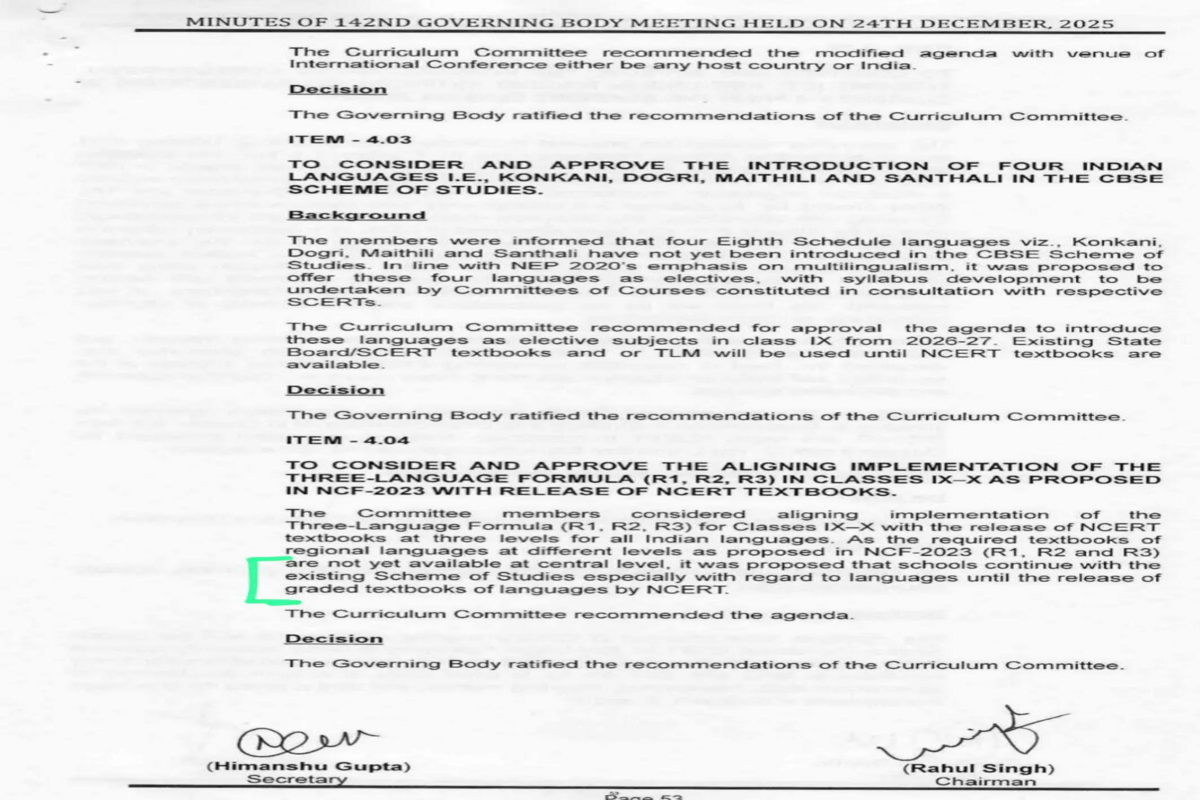
According to Singh, educational reforms of this magnitude require careful planning, adequate resources and sufficient preparation time to ensure its smooth execution. The Rajya Sabha MP then questioned the urgency behind the move, reflecting on the discussions held during CBSE’s 142nd Governing Body meeting in December 2025.
Recommendations given earlier favoured delay
Documents from the meeting indicate that board members had considered synchronising the implementation of the three-language policy for Classes 9 and 10 with the availability of graded textbooks from the National Council of Educational Research and Training (NCERT).
The Curriculum Committee had reportedly recommended that schools continue with the existing language structure until suitable language-learning materials were developed and released. The recommendation had received a nod from the Governing body.
However, despite those deliberations, CBSE issued a circular on May 15, 2026, announcing the roll-out of the triple language policy for Class 9 students from July 1 onwards. Singh has since sought clarification on why the policy is being implemented before the necessary academic resources have been made available.
Staff crunch raises fresh questions
The Congress leader thereafter raised a key concern, relating to the availability of qualified language teachers.
While Sanskrit has reportedly emerged as a preferred third-language policy in many schools, Singh noted that there is a significant shortage of trained Sanskrit educators. He argued that the lack of teaching personnel could undermine the quality of instruction and place additional pressure on schools already reeling with staffing challenges.
Challenges on the cards for Northeasterns and Southern states
He then highlighted the potential difficulties that students in Southern and Northeastern states may face under the new framework.
He observed that Hindi is not widely spoken in several regions of the country and pointed out that several regional and tribal languages may not be adequately represented within the CBSE structure. He suggested that this could create barriers for students and may also raise concerns about equitable implementation.