MP inks Indo-German Agri-voltaic MoU in presence of CM Dr Yadav, farmers to benefit from dual-income model
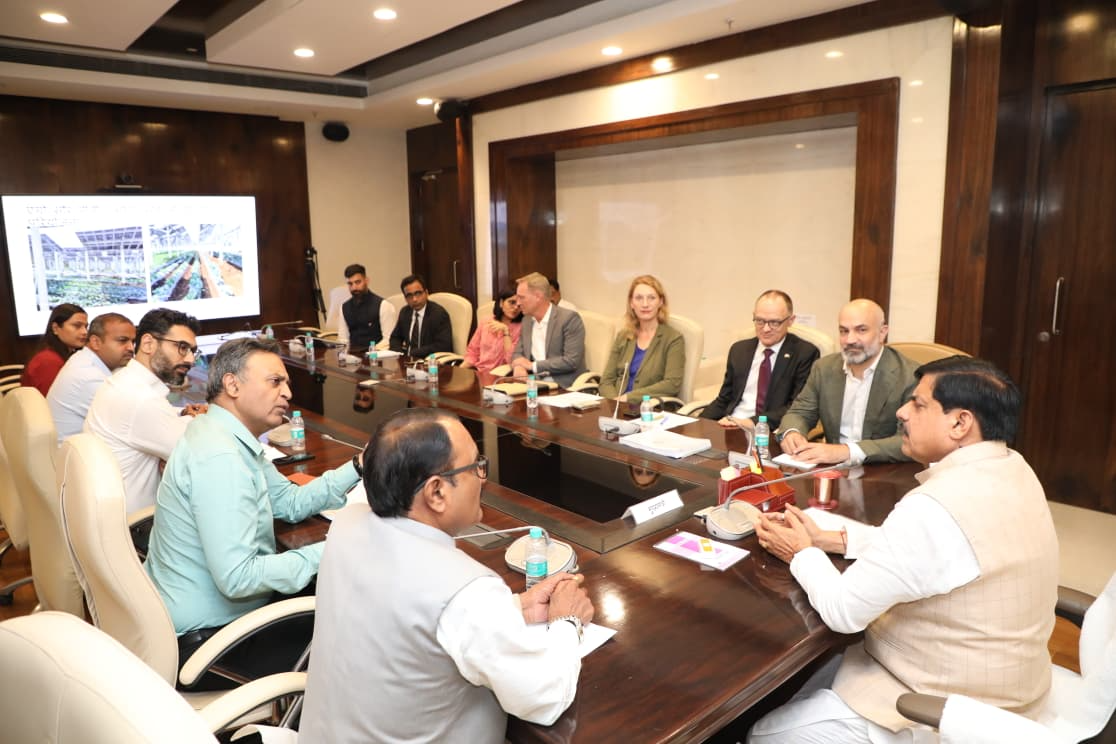
Madhya Pradesh has taken a new leap towards promoting agro-solar energy generation on Monday, as the state government signed a Memorandum of Understanding (MoU) with the German government-led Indo-German Agri-Voltaic Cooperation Project (IGCA). The agreement was signed in the presence of MP Chief Minister (CM) Dr Mohan Yadav at the state secretariat in Bhopal.
The MoU brings together the Department of New and Renewable Energy, Madhya Pradesh Urja Vikas Nigam Limited (MPUVNL) and the Indo-German Agri-Voltaic Cooperation Project to encourage the combined use of agriculture and solar power generation across the state.
How will agri-voltaics benefit farmers?
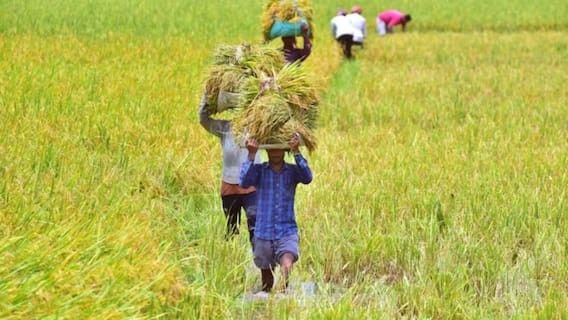
Agri-voltaics is an innovative approach crafted to enable farmers to cultivate crops while generating solar energy on the side on the same piece of land. The model seeks to optimise land utilisation, reduce dependency on additional land acquisition, maintain food security and minimise land-related disputes.
As per the initiative, farmers will continue to retain ownership of their land while benefiting from both solar power generation, as well as agricultural production. By laying solar panels in agricultural fields, farmers will be able to earn an extra buck alongside their traditional farming activities.
Germany extends support for MP’s solar vision
The German development agency GIZ will assist the state government in developing a dedicated agri-voltaic framework, which aligns with initiatives like PM-Kusum 2.0. The partnership is likely to contribute towards ramping up farmers’ earnings, improving land use efficiency, enhancing energy security and promoting climate-resilient rural development.
The agreement will stand valid till May 2030 and is expected to play a pivotal role in advancing renewable energy adoption within the agricultural sector.
Subsidies, capacity-building programmes on the cards
As part of the agri-solar photovoltaic programme, the MP government will provide subsidies to eligible farmers. The initiative is being seen as a dual-benefit opportunity, enabling cultivators to generate income from both farming and renewable energy production.
The collaboration will also support the identification of suitable agri-voltaic projects, technical and economic assessments, project design, financial viability studies and implementation strategies. Additionally, training and awareness programmes shall be organised for farmers, Farmer Producer Organisations (FPOs), energy developers, power distribution companies (DISCOMs) and other stakeholders.