Karnataka govt rolls back 2022 order which barred students from wearing religious, customary symbols at institutions
The Karnataka government on Wednesday, in a significant policy shift, rolled back its school uniform policy introduced in 2022, under which the students had been barred from wearing religious and customary symbols and attire, such as hijabs and sacred threads.
The decision, effective immediately, marked the reversal of a directive which had sparked political and legal debate on a national level over religious expression in educational institutions.
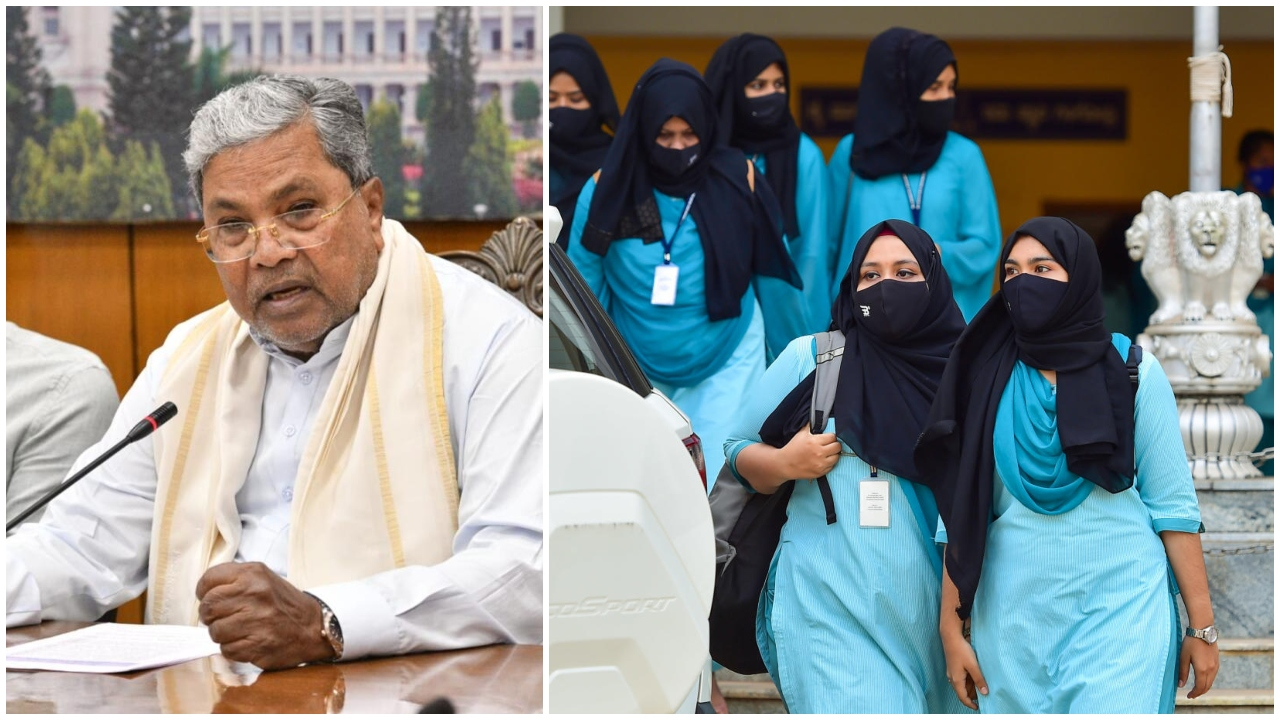
Limited traditional and customary symbols permitted
As per the new notification, all government, aided and private education institutions, including pre-university colleges, will continue to enforce prescribed uniforms according to existing rules. However, students have been given the nod to wear ‘limited community, traditional and customary symbols’ as supplementary to the uniform.
Government spokespersons clarified that such symbols must not undermine or replace the essential purpose of uniform, nor interfere with the discipline, safety and identification of students. Adding to this, they said that among the explicitly permitted items are the hijab (headscarf worn by Muslim girls), janivara or sacred thread, Shivdhara, Rudraksha and Sharavastra.
The order has also allowed similar symbols, provided they adhere to the institutional norms. Notably, saffron-coloured shawls have been excluded from the list, as the government observed they do not fall within the category of recognised religious symbols.
No student shall face denial, coercion
It has been outlined in the order that no student shall be denied entry to classrooms, exam halls or academic activities solely on the basis of wearing permitted traditional symbols alongside the uniform.
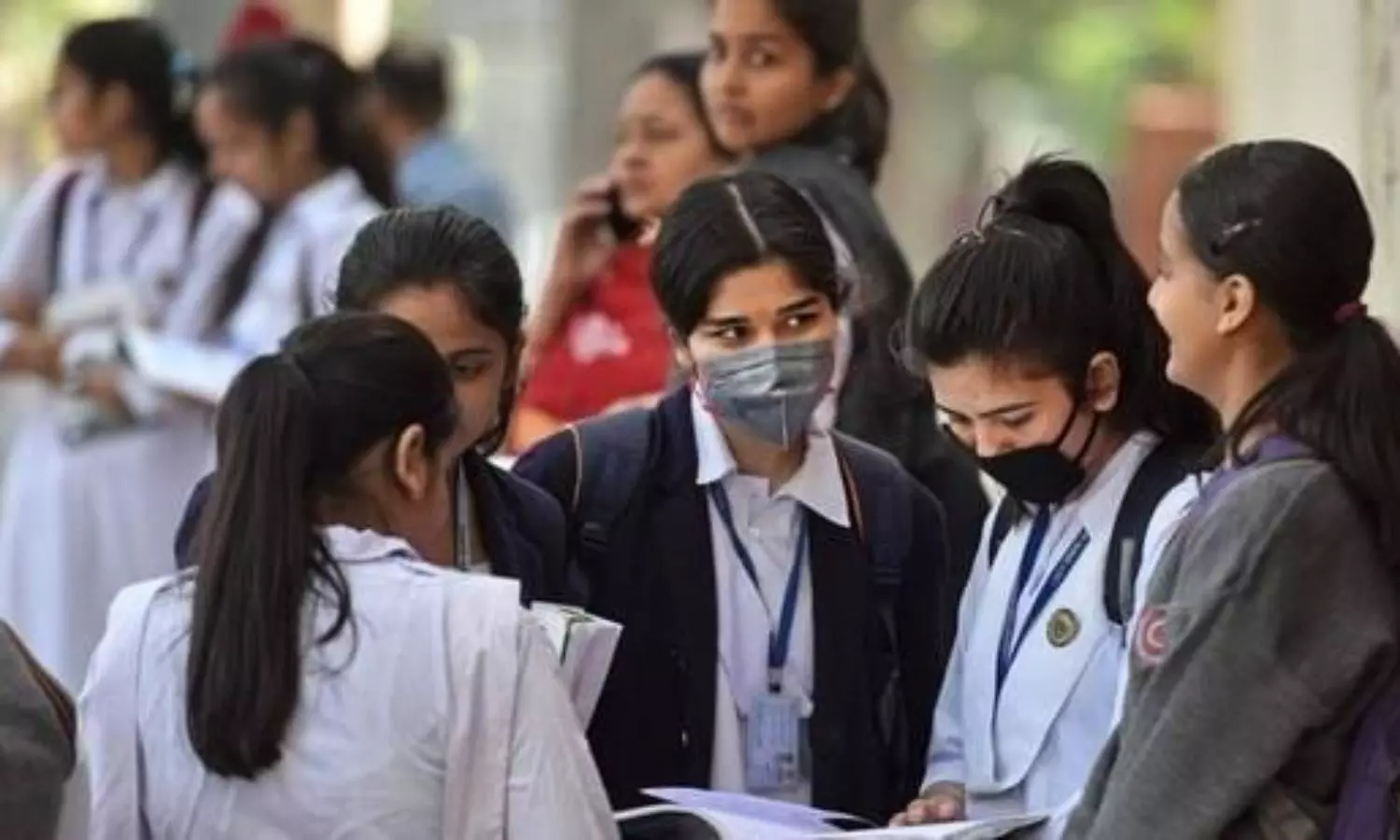
Equally, it emphasises personal choice, asserting that no student can be coerced into either wearing or refrain from wearing such symbols. However, the authorities may enforce specific dress codes during national or state-level exams wherever applicable.
It is noteworthy that the now-withdrawn order, issued on February 5, 20222, had empowered academic institutions to enforce strict uniform codes, effectively barring attire deemed disruptive to integrity, public order and equality. Agitations and stirs followed after Muslim students were denied entry to classes for wearing hijabs, triggering counter-protests by students sporting saffron shawls.